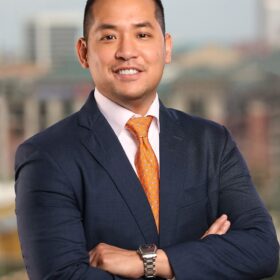


In Texas, if you were injured in a serious car crash, a peace officer should have prepared a document called a CR-3 Crash Report. This is an official, detailed account of the wreck that the investigating officer files. While you might not even know this record exists, it’s often a core part of a personal injury claim. It plays a central role in establishing liability at the outset of a personal injury lawsuit. As a car wreck attorney in Houston’s Chinatown, Ryan Nguyen accesses and analyzes your crash report, identifying the key details that can be used as evidence in your case.
What Is the Texas CR-3 Crash Report?
 The CR-3 Crash Report, formally called the Texas Peace Officer’s Crash Report, Form CR‑3, is the official written summary of your wreck. This key document contains as much factual information as possible, gathered by the investigating officer.
Texas Transportation Code §550.062 requires an officer’s crash report when an investigated collision involves injury, death, or apparent property damage of $1,000 or more. The officer must file it electronically with TxDOT by the 10th day after the crash.
This officer‑created report includes:
- Date, time, and exact location of the crash
- Names and contact information for all drivers, passengers, and any listed witnesses
- Vehicle details: plate numbers, VINs, make/model/year, visible damage, and tow information
- Insurance information for each driver
- Injury entries for each person
- Where they were sent for medical attention, and how they arrived at the facility
- The officer’s narrative description of how the crash happened
- Diagram depicting vehicle positions, impact points, lanes, and signals/signs
- Contributing factors such as speeding, distraction, failure to yield, and road or weather conditions
- Citations/charges and any alcohol/drug testing and results recorded
The crash report is one of the primary accounts insurance companies review and an important piece of evidence in your legal case because of how many key details it contains. The CR-3 report acts as the backbone for the argument that an attorney makes for your claim.
To access a crash report on your own, you can directly request it from TxDOT or the investigating agency. However, once you have it in your hands, you might find it challenging to unpack. At this point, seeking legal expertise can help you move forward with a personal injury case.
As a car wreck attorney in Chinatown, Ryan Nguyen can access and analyze the CR-3 crash report on your behalf. Using the core details of what transpired, Ryan can develop a compelling legal argument to help you receive maximum compensation!
How a Car Wreck Attorney in Chinatown Uses a Crash Report in Your Injury Claim
As a car wreck attorney in Chinatown, Ryan Nguyen relies on the CR-3 crash report to decide the next steps in your case. He uses the document to help prove fault, drawing on its evidence to argue that the other driver was negligent.
The crash report also shapes how Ryan drafts the demand letter, which is an official attempt to recover compensation from the at-fault driver’s insurance.
How Ryan Uses the CR-3 Report To Establish Liability
In Texas personal injury law, liability in a car crash usually means proving that another driver’s negligence caused your crash. If they are found liable, their liability insurance is generally responsible for paying your damages, up to the policy limits.
As a Chinatown attorney, Ryan uses key parts of the crash report to argue liability and support your claim.

For instance, the “Charges” section of the report lists offenses such as failure to yield, speeding, or failure to control speed. When the other driver pleads guilty or pays a citation, that action often supports a negligence claim.
In addition, the “Contributing Factors” section uses codes to show the officer’s opinion about what caused the crash. Contributing factors may include distraction, intoxication, or unsafe lane changes, among many others. When the report assigns those codes to the other driver, attorneys treat them as early evidence that the officer believes the driver in question caused the crash.
Moreover, the officer’s written summary and sketch show lane positions, signals, points of impact, and driver/witness statements in a format insurers are trained to rely on when deciding who was at fault. If the report clearly shows that the other driver is more at fault, insurers will have an uphill battle shifting the blame onto you.
Together, these sections of the report provide Ryan with the foundation he needs to show that the other driver was legally responsible for the crash.
How the CR-3 Report Affects Your Case
As your Chinatown car wreck attorney, Ryan also uses the crash report to structure the entire claim and demand letter. The CR‑3 lists all relevant drivers, owners, and insurers involved in the crash. Ryan goes down this list to identify every potential source of liability coverage (including policies involving commercial vehicles). He also uses this document to link your injury to the crash. He matches injury codes and damage descriptions with medical records to show how the force and direction of the crash caused specific injuries.
Ryan uses all of this context to produce a demand letter. He sends this detailed document to the at-fault driver’s insurance company, explaining what happened and how it caused your injuries.
When Ryan Nguyen writes a demand letter, he can quote the CR‑3 narrative, diagram, and citations to show how the driver’s negligence led to the collision and resulting injuries. He uses this to help secure personal injury medical bills, lost wages, and pain and suffering.
During a free consultation, Ryan can help you find and analyze your CR-3 crash report. With this official record in mind, he devises a legal strategy to improve your chances of receiving the settlement you deserve.
Book a Free Consultation With a Car Wreck Attorney in Chinatown
The CR-3 Crash Report is often one of the most important documents in your car accident case. A peace officer prepares this document after investigating a qualifying crash. This report is a formal, detailed account of everything the officer was able to gather at the crash site.
As an experienced car wreck attorney serving Houston’s Chinatown, Ryan Nguyen knows how to use the crash report to write a stronger demand letter. This is just one of the many steps he takes to hold the at-fault driver accountable and secure a fair payout for you.
Ryan’s firm serves Spanish- and Vietnamese-speaking clients and proudly represents them across Chinatown and the greater Houston area. Hablamos español. Chúng tôi nói tiếng Việt. We don’t discriminate!
Call today for a free consultation with Ryan Nguyen, “The Falcon.” You pay nothing unless he wins your case!